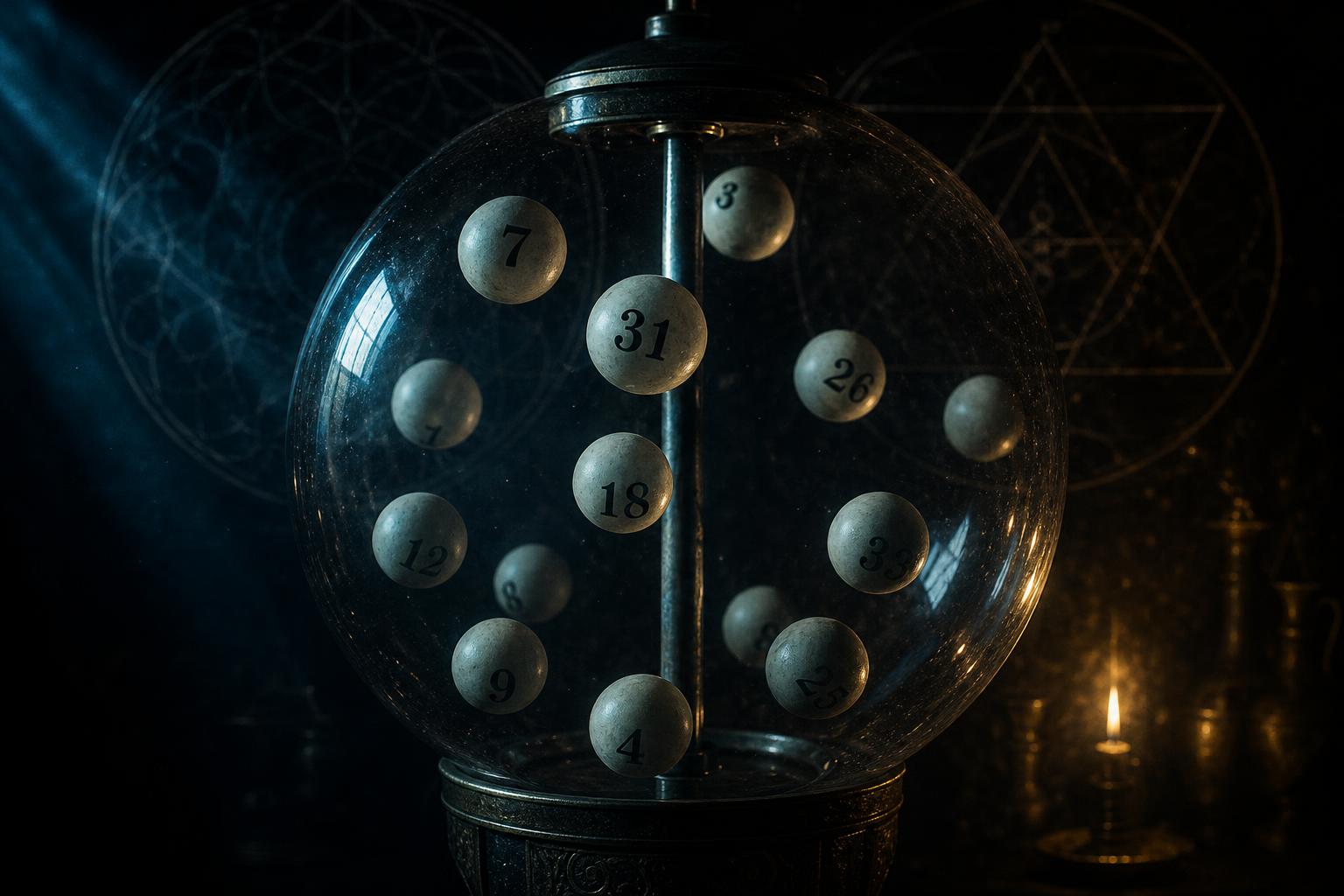
Thirty years after her father's death, she finally stopped believing the story of what happened.
Some things aren't random acts. They're drawn.
What does it cost
to wake up
to the world as
it actually is?

THE
DRAW
Thirty years after her father's death, she finally stopped believing the story of what happened.
Some things aren't random acts. They're drawn.
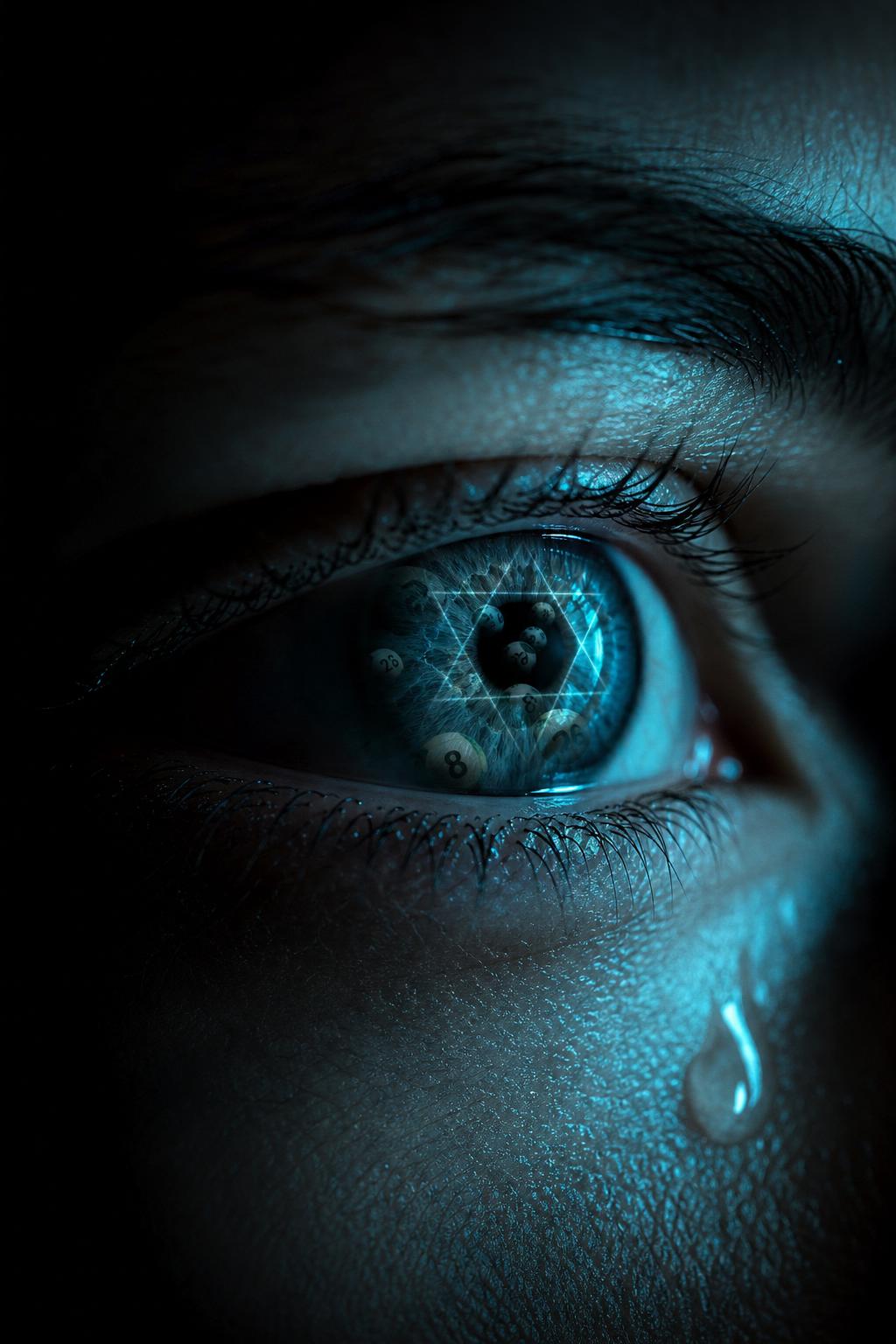
She'd rather
have a villain
than face
herself.
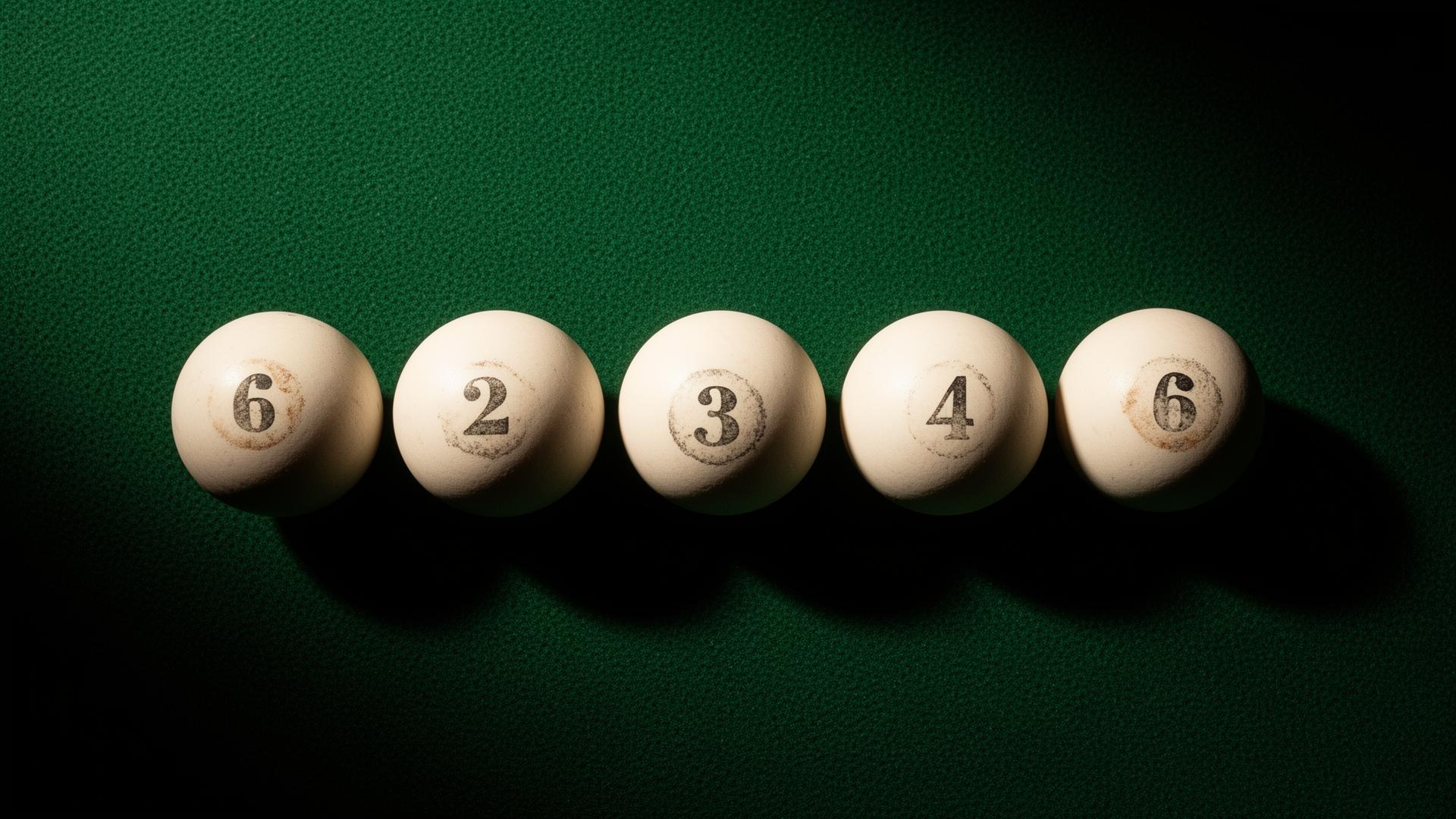
Who carries
this story.
Diane
She knew how stories worked. She just never looked at her own. Creative Director. Numb for thirty years. Brilliant at reading everyone else's narrative. Completely blind to hers.
↳ Grieved her father twice → can deconstruct any narrative including the one that killed him.
Holt Braun
President of the CT State Lottery. A devoted father — and a more complicated man than Diane was allowed to know.
↳ May have been both victim and participant → the mystery the whole series is built around.
Patrick
Principled and good. His father just died. Works unknowingly inside the same institutional machinery that protected her father's killers.
↳ Works for the system → will have to choose between Diane and the institution.
The Survivor
Shot at the Lethara launch. Reaches out to Diane. Seems like the ally she needs. Is not what they appear.
↳ Placed deliberately → the machinery's oldest move: exploit the need for someone to trust.
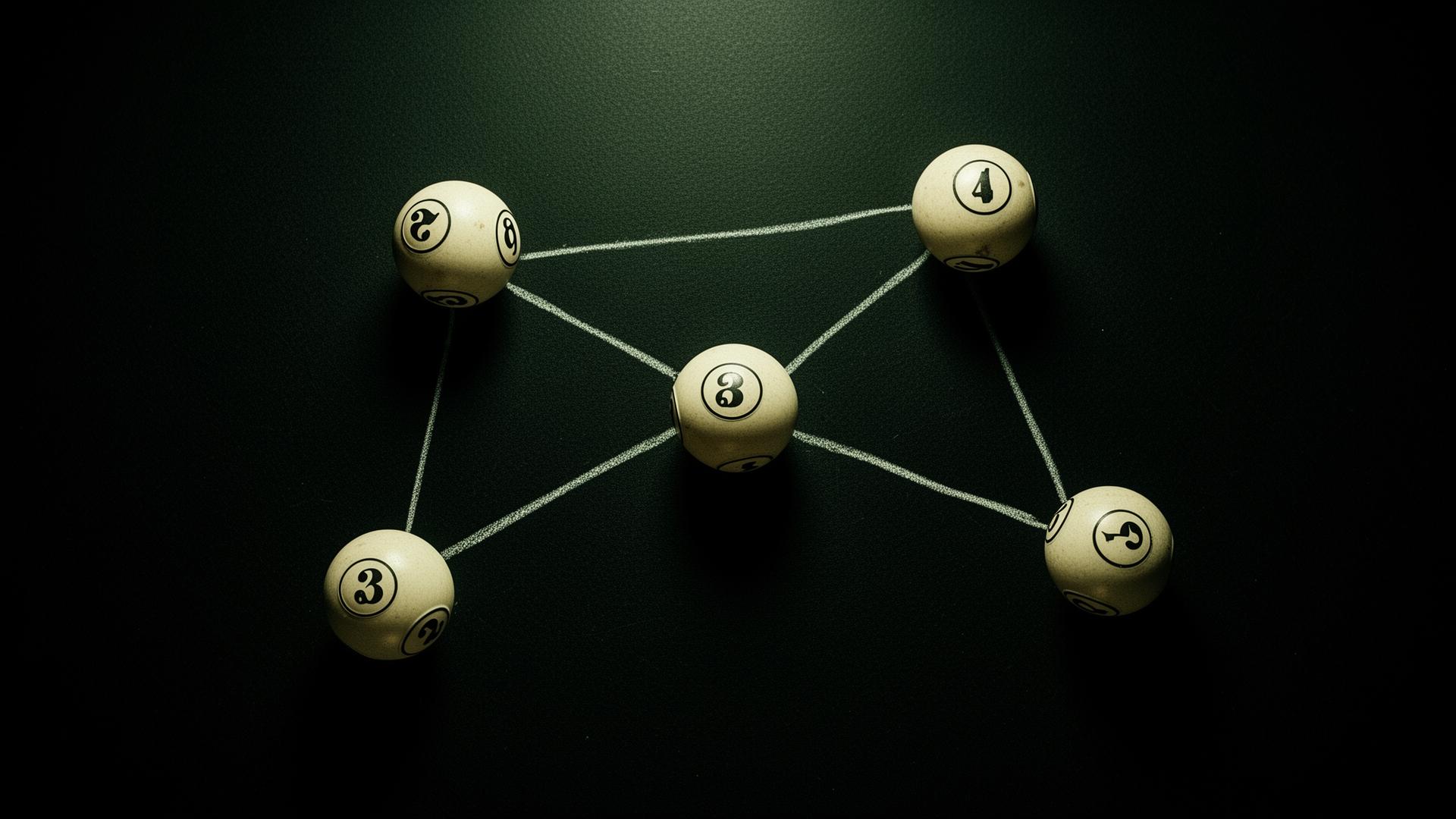
What was really
happening.
Connecticut State Lottery
Billions in state money. Limited oversight. Holt Braun is the clean face of a dirty institution.
Philippine Gambling Network
Junket operations moving American political money through Southeast Asian casinos. Holt's trips on paper: gaming conferences.
MKULTRA Shadow
Declassified. Documented. Real. The shooter's mandated therapy echoes a known CIA playbook.
Governor Stead
Appointed Holt. Arrived at the shooting before police. Later convicted of fraud. Still operational.
The Constructed Narrative
“Disgruntled employee.” America's most reusable story container. Diane recognizes it — then realizes she grew up inside one.
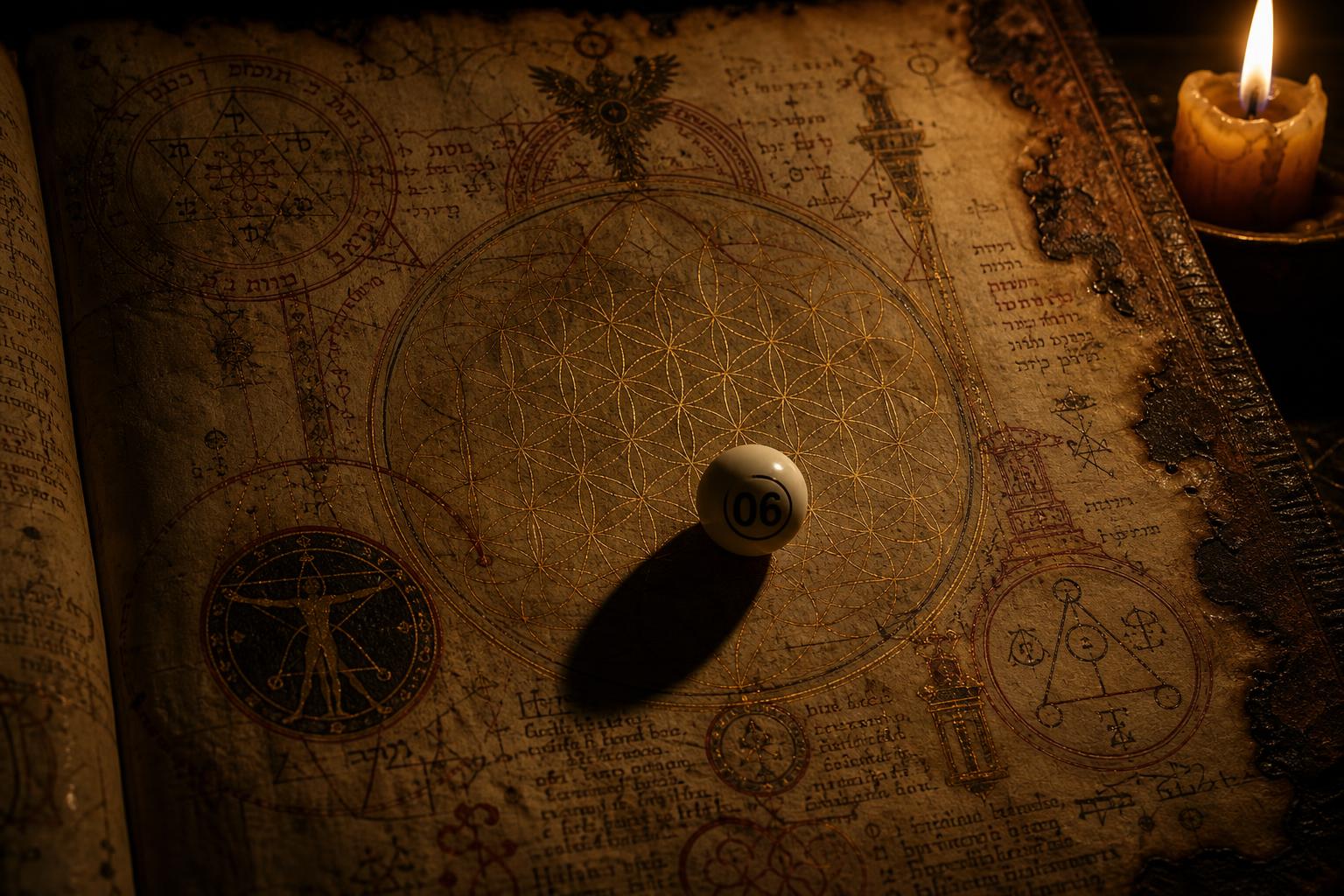
Underneath the money and the politics — a tradition.
Restricted texts. Accumulated understanding of consciousness, energy, and reality kept from the public for centuries.
The question the show eventually asks: is knowledge just a form of power? Or is power just a form of knowledge?
LETHARA
The campaign that wakes everything up.
Named from Lethe — the Greek river of forgetting. A new sleep medication, highly addictive by design. Creates the need it promises to fill.
Intimate and domestic. 3am. Kitchen light. Real people, real exhaustion. “You've been carrying it long enough.”
Her research finds a clinical trial site: Hartwell Institute, Glastonbury, CT. 1997–1999. Twenty minutes from where she grew up.
Diane numbs herself.
Lethara numbs the world.
She is selling her own wound as a product.
The drug that keeps people unconscious is the pharmaceutical expression of something much older than a business plan.
She was following her father home.

How it begins.
Holt wakes Diane
His morning ritual. He wakes her for school — she's small and warm and doesn't want to get up. Breakfast. The keyboard. He leaves. We stay with her. A normal day. A teacher appears at the classroom door and says her name. Her face before she's told. And after.
Father's Day — the brunch scene
Diane, Patrick, Beckett. Silver Lake. A toast: “To our dads.” His grief fresh. Hers thirty years suspended. We see it before she covers it. The cigar box sits on the shelf. The camera finds it. She doesn't look at it. We do.
The crack
A news story. A current shooting. The coverage has a quality that stops her — the language, the speed, the packaging. She's a Creative Director. She recognizes a campaign when she sees one. She can't unnotice it.
Diane and Lethara
Her work world. The campaign in progress. Research takes her to Hartwell Institute, Glastonbury, CT. 1997–1999. Twenty minutes from where she grew up. She uses it. She tells herself it's instinct.
The contact
Something arrives. An email. A voicemail. Something that knows her name and references something only someone connected to her father's world would know. She almost deletes it. She doesn't.
The cigar box
Night. Diane alone. She walks to the shelf. Picks up the cigar box. Holds it. Doesn't open it. Puts it back. Cut to black. The box opens in episode two or three. Not yet.
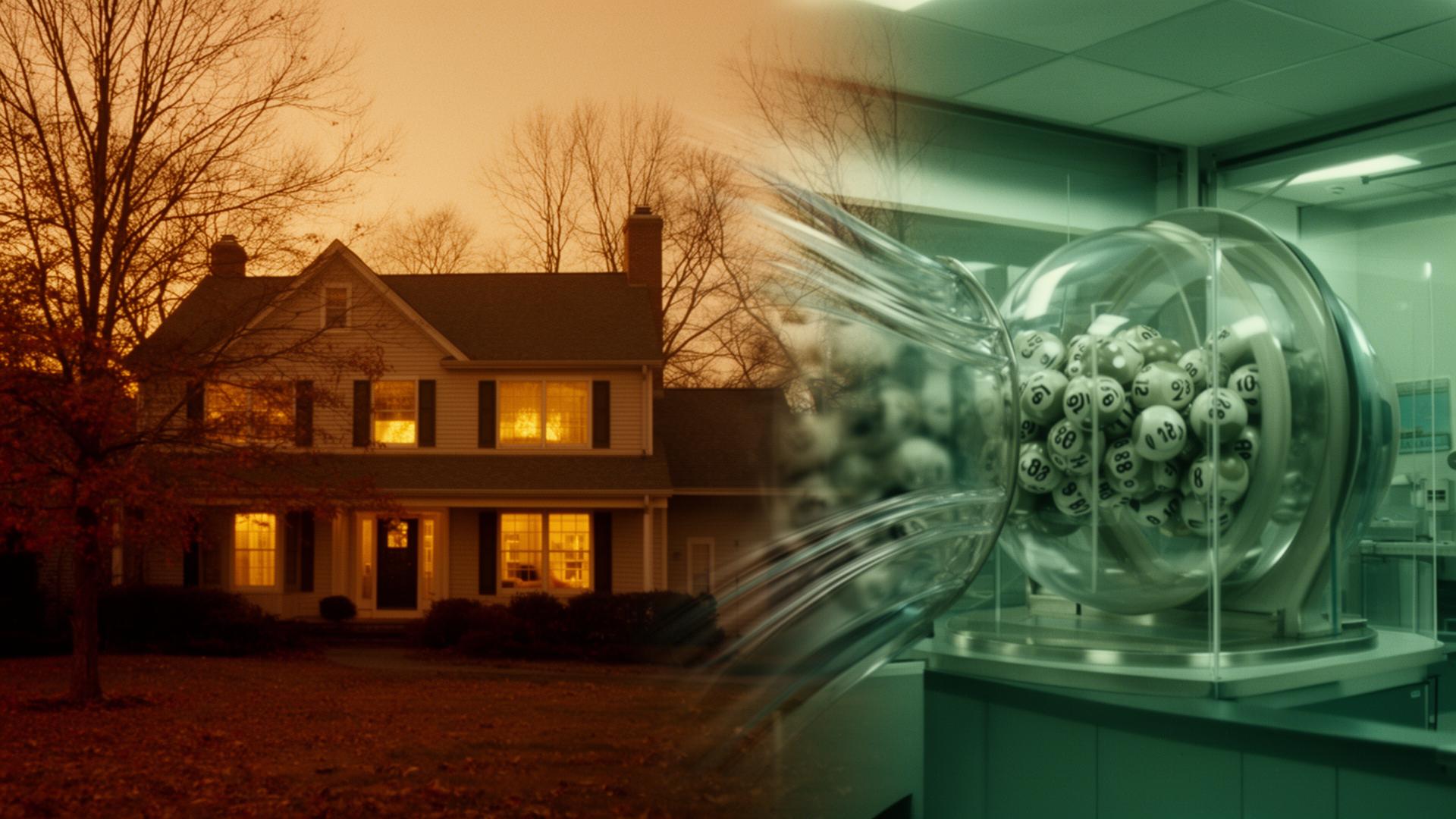
Every episode: one answer, two new questions, the present gets more dangerous.
Each episode reveals one new piece of 1999. What Holt knew. What happened. What was done to the shooter. The audience learns what Diane does — and sometimes more.
Each episode escalates the present threat. Someone gets closer to Diane. The machinery proves it's still operational. What happens now reframes what she thought she knew about then.
Is she uncovering the truth — or constructing one?
The show holds both possibilities for as long as possible.
What the show is
really about.
Constructed Narratives
In advertising, media, government — and in the story a daughter tells herself about her father.
Grief Deferred
Thirty years of not feeling the thing. What happens when the avoidance finally breaks.
Who Controls the Story
Power as narrative ownership. Whoever frames the event controls what people feel about it.
What is Real
The show operates between what happened, what we were told, and what we construct to survive.
Complicity
How much did Holt know? Can love survive the answer? Does it matter if the conspiracy is real?
Knowledge as Power
Is knowledge a form of magic? Or magic a form of knowledge? The question the show eventually asks — and never fully answers.
Where it lives.
Who it's for.
Why me.
The only person who could tell this story.
The Draw is not inspired by true events. It is built from them. I am Diane. And I have been asking the same question my whole life — what is actually real, and who decided I shouldn't know.
President of the CT State Lottery. Killed in a workplace shooting, late 1990s. I was a young girl. I was given a story and I accepted it.
Arrived on scene before police. Attended the funeral. Appointed several victims. Later convicted of fraud.
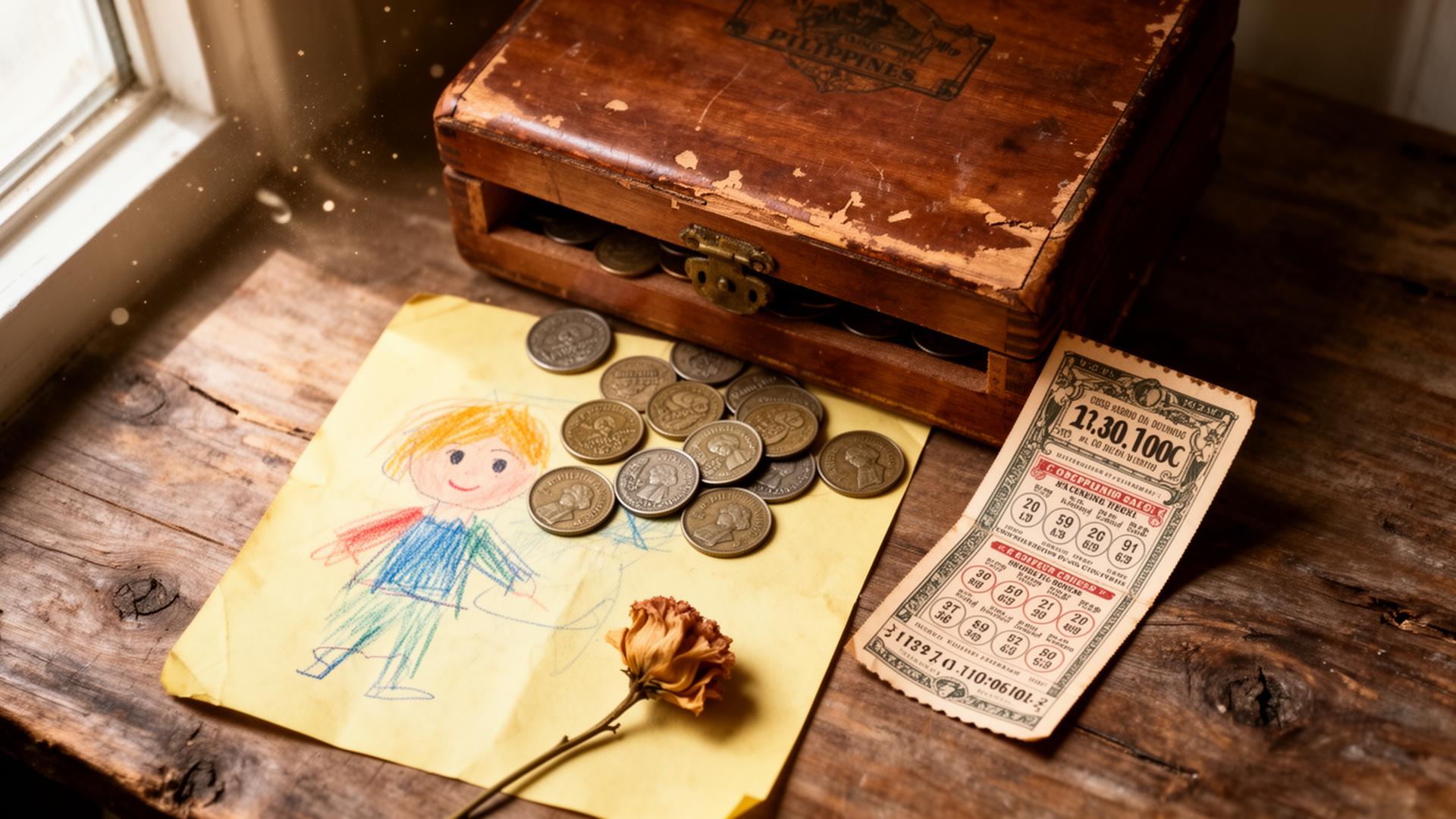
My father took business trips. Brought back cigar boxes. I kept them. I never once asked why.
I became a copywriter. I built the exact kind of narratives that buried my father's truth. I didn't see the irony until I started writing this.
— The Creator
THE
DRAW
Thirty years after her father's death, she finally stopped believing the story of what happened.
Some things aren't random acts. They're drawn.